
Defibrillators for Sale in Australia
Explore our wide selection of automated external defibrillators (AEDs) available for purchase online at Priority First Aid. We offer a range of top-quality defibrillator brands, including Lifepak, HeartSine Samaritan PAD, Defibtech, Cardiac Science, Philips Heartstart and Zoll. With our reliable defibrillator products, you can enhance the safety and preparedness of your workplace or community. Buy defibrillators in Australia from Priority First Aid and ensure you have the necessary equipment to respond effectively in case of a cardiac emergency.

Showing 1–12 of 26 results
-

Lifepak Defibrillators (8)
-

Zoll Defibrillators (6)
-

Defibtech Defibrillators (8)
-

HeartSine Samaritan PAD Defibrillators (5)
-

Philips HeartStart Defibrillators (4)
-

Cardiac Science Defibrillators (4)
-
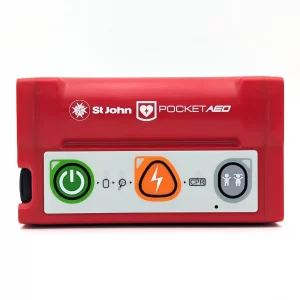
Compact AEDs (1)
-

Defibrillator Maintenance and Inspection Tag
$4.75 -

Defibrillator AED Rescue Kit
$24.50 -
Sale!

Heartsine Samaritan PAD 350P Semi Automatic Defibrillator
Original price was: $1,870.00.$1,695.00Current price is: $1,695.00. -
Sale!

Heartsine Samaritan PAD 360P Automatic Defibrillator
Original price was: $1,870.00.$1,695.00Current price is: $1,695.00. -
Sale!

Lifepak CR2 Essential Fully Automatic AED
Original price was: $2,495.00.$1,695.00Current price is: $1,695.00. -
Sale!
Lifepak CR2 Essential Semi Automatic AED
Original price was: $2,495.00.$1,695.00Current price is: $1,695.00. -
Sale!

Defibtech Lifeline AED Semi Automatic Defibrillator – 5 Year Battery
Original price was: $2,049.00.$1,780.00Current price is: $1,780.00. -
Sale!

Defibtech Lifeline Auto AED – Fully Automatic Defibrillator (7yr Battery)
Original price was: $2,199.00.$1,869.00Current price is: $1,869.00. -
Sale!

Defibtech Lifeline AED Semi Automatic Defibrillator – 7 Year
Original price was: $2,199.00.$1,869.00Current price is: $1,869.00. -

HeartStart First Aid HS1 Defibrillator
$1,995.00 -

Heartsine Samaritan Pad 500P Defibrillator with CPR Advisor
$2,095.00 -
Sale!

Zoll AED Plus Semi Automatic Defibrillator
Original price was: $2,750.00.$2,295.00Current price is: $2,295.00.
Choosing the right AED defibrillator
When comparing defibrillators in Australia, consider where the device will be installed, who may need to operate it and how it will be maintained. Important features include:
- Automatic or semi-automatic operation — Fully automatic AEDs deliver a shock when required, while semi-automatic models prompt the user to press a button.
- Ease of use — Clear instructions, visual prompts and CPR guidance can help users respond during an emergency.
- Portability and durability — Consider the device’s size, weight and resistance to environmental conditions, particularly for outdoor or mobile applications.
- Ongoing maintenance — Check battery life, electrode pad expiry dates and the availability of compatible replacement components.
Explore our AED brands
Priority First Aid stocks AEDs in Australia from established manufacturers, with options for different environments and user requirements.
- LIFEPAK defibrillators
- ZOLL defibrillators
- Defibtech defibrillators
- HeartSine Samaritan PAD defibrillators
- Philips HeartStart defibrillators
- Cardiac Science defibrillators
Buy defibrillators for workplaces and communities
Having a reliable automated external defib can be an important part of emergency preparedness for businesses, schools, sporting clubs and public facilities.
Australian workplace health and safety requirements generally call for appropriate first aid equipment and arrangements based on workplace risks. Whether an AED is specifically required depends on applicable state or territory legislation and the circumstances of the workplace.
For businesses and organisations in Queensland, explore our defibrillators in Brisbane to find suitable options. Need help choosing the right defibrillator for sale? Contact our team for personalised advice based on your requirements.
FAQs
How much does a defibrillator cost in Australia?
AED prices vary depending on the manufacturer, features and included accessories. At Priority First Aid, selected models are available from approximately $1,695, with advanced options costing more. When comparing prices, also consider replacement pads, battery life and ongoing maintenance requirements.
What’s the difference between semi-automatic and fully automatic AEDs?
Both types analyse the heart’s rhythm and determine whether a shock is required. A semi-automatic AED instructs the responder to press a button to deliver the shock, while a fully automatic AED delivers it without requiring the user to press a shock button. Both provide prompts to guide the responder through the process.
Do I need training or a licence to use a defibrillator in Australia?
You generally do not need a licence or formal training to use a public-access AED in an emergency. These devices are designed to guide users through the necessary steps. However, CPR and first aid training are strongly recommended to help people respond confidently and effectively during cardiac emergencies.
What maintenance does an AED need?
AEDs require regular inspections to ensure they remain ready for use. This includes checking the device’s status indicator, confirming that electrode pads and batteries are within their recommended service periods and following the manufacturer’s maintenance instructions. Read our defibrillator safety guide for further information.
Am I liable if something goes wrong using a defibrillator?
Good Samaritan protections may apply when someone provides emergency assistance in good faith, although the specific legal protections and conditions vary across Australian states and territories. It is important to follow the AED’s instructions, call Triple Zero (000) and act within your abilities. For advice on your particular circumstances, consult the relevant legislation or a qualified legal professional.
How often do AED pads and batteries need replacing?
Replacement intervals depend on the AED model and manufacturer. Electrode pads commonly have expiry dates several years after manufacture, while battery service life varies considerably between devices. Always follow the manufacturer’s specifications and replace components when they expire, become damaged or are used, as applicable.
