

Recent Post
 AED Maintenance Requirements Australia
April 2, 2026- What Maintenance Is Required for an AED: Everything You Need To Know
November 14, 2025
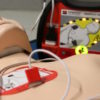
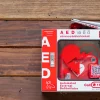

Sudden cardiac arrest can occur without warning, making Automated External Defibrillators (AEDs) a vital life-saving device. Despite their critical function, many people wonder about the safety of using a defibrillator. Questions such as “Can I harm myself or the patient?” are common. At Priority First Aid, we emphasise that following defibrillator safety precautions is essential to protect both the person in need and the responder during emergencies.
Understanding The Importance Of Defibrillator Safety
Why AED Safety Matters
AEDs quickly assess dangerous heart rhythms and deliver an electric shock to restore a normal heartbeat. These devices are designed for ease of use, with clear voice instructions and visual guidance. Even so, proper defib safety is necessary to ensure the device works effectively and to prevent injury. Awareness of safety considerations when using a defibrillator helps deliver a fast, accurate, and safe response.
How AEDs Are Designed For Safe Use
Modern AEDs include safety mechanisms that detect whether a shock is needed. They will only deliver a shock if required, preventing unnecessary or harmful shocks. This feature makes AEDs safe for use by those without medical training. Still, following a defibrillator safety checklist and understanding safety aspects of operating an AED, such as standing clear during shock delivery, remain crucial to avoid injury.
Step-By-Step Procedure For Safe AED Operation
Adhering to a proper procedure is fundamental for AED safety during emergencies. The following step-by-step guide aligns with recognised CPR and first aid standards:
Assessing The Scene And Patient
Before approaching, evaluate the scene for hazards such as traffic, water, or fire. Responder safety comes first, never place yourself in danger. Then check the patient for unresponsiveness and abnormal, absent, or irregular breathing.
Calling For Emergency Assistance
Call emergency services immediately and ask someone nearby to bring the AED. Prompt access to an AED significantly improves survival chances.
Preparing The Patient For Defibrillation
Expose the patient’s chest by removing clothing. Ensure the skin is dry, since wet skin can reduce shock effectiveness and may pose an electric hazard.
Applying AED Pads Correctly
Follow the instructions on the pads, placing one on the upper right chest and the other on the lower left side. Accurate pad placement is essential for the shock to pass effectively through the heart.
Ensuring Safety During Shock Delivery And Post-Shock CPR
When the AED analyses the heart rhythm or delivers a shock, loudly say “Stand clear!” to ensure no one touches the patient. After a shock, continue CPR as directed by the AED.
Remember, AEDs deliver shocks only when necessary, making them a reliable and safe device.
Key Defibrillator Safety Tips To Avoid Injury
Avoid Using AED Around Water And Metal Surfaces
Never use an AED in or near water. If the patient is wet, move them to a dry area and thoroughly dry their chest before applying pads. Water and metal can conduct electricity, increasing shock risk to bystanders.
Stand Clear During Shock To Protect Everyone
Audio prompts and safety signs typically instruct rescuers to stand clear. Ensure no one touches the patient or nearby metal surfaces during shock delivery to prevent accidental shocks.
Use On Bare, Dry Skin And Proper Pad Placement
Remove jewellery or metal objects that could interfere with the pads. If the patient’s chest is wet or hairy, shave or dry the area to allow pads to adhere properly and ensure effective shock delivery.
Avoid Flammable Environments And Materials
Oxygen tanks, flammable gases, or vapours can ignite from electric sparks. Never operate an AED near such hazards.
Maintain Your AED And Undergo Regular Training
Keep your AED ready by regularly checking the battery, pad expiry dates, and overall device condition, following your defibrillator safety checklist. Regular training enhances confidence and ability, so encourage staff and first aiders to complete certified CPR and AED courses.
AEDs are designed with safety in mind, but awareness is key. Always ensure the patient’s chest is dry, stand clear during shock delivery, and avoid operating an AED near water or flammable materials.
Frequently Asked Questions About AED Safety
Are AEDs Safe For Untrained Users?
Yes. AEDs are intended for public use, with clear voice and visual prompts guiding each step safely. However, training improves confidence and response speed.
What If I Accidentally Touch The Patient During A Shock?
While an AED delivers a controlled, brief shock unlikely to cause serious harm, touching the patient may cause discomfort or muscle contractions. It is best to follow “stand clear” warnings to reduce this risk.
Can An AED Harm The Patient If A Shock Is Unnecessary?
No. AEDs automatically assess heart rhythms and only deliver a shock when indicated, preventing unnecessary shocks.
Is Using An AED On Children Or Infants Safe?
Yes, with caution. Special paediatric pads should be used for children under 8 years or weighing less than 25kg. Some AEDs include a paediatric mode. Always review device instructions before use.
What Should I Check Before Using An AED?
Verify that the device looks intact, the battery level is sufficient, pads are within their expiry date, and the unit powers on correctly.
Conclusion And Next Steps: Stay Prepared And Safe
Defibrillator safety precautions are essential knowledge to save lives while protecting responders and patients. AEDs are designed to be user-friendly and safe, but following procedures and safety tips is critical. Priority First Aid provides expert AED training, maintenance, and advice to ensure your workplace or community is ready to respond confidently.
For reliable AED training, maintenance, and expert support, contact Priority First Aid to prepare your team for emergencies effectively.
