
Recent Post
 Are Defibrillators Legally Required At Work In Australia?
November 4, 2026 AED Maintenance Requirements Australia
April 2, 2026- What Maintenance Is Required for an AED: Everything You Need To Know
November 14, 2025
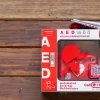

No single Australian law requires every workplace to have a defibrillator. However, employers and other persons conducting a business or undertaking (PCBUs) have legal obligations to provide appropriate first aid arrangements. Some states also require automated external defibrillators (AEDs) in specific buildings and facilities.
In this guide, we break down AED workplace requirements across Australia and the steps businesses can take to meet their first aid obligations.
Is a defibrillator required by law in Australia?
The answer depends on your location, industry and workplace risk assessment.
Under applicable work health and safety (WHS) legislation, businesses must provide suitable first aid equipment, facilities and access to trained first aiders. While an automated external defibrillator is not mandatory in every workplace, employers must assess potential risks and determine what first aid equipment is appropriate for their operations.
The Safe Work Australia Model Code of Practice recommends considering an AED in areas where:
- Workers face electrical hazards that could result in electrocution.
- Emergency medical services may take longer to reach the workplace.
- Large numbers of people regularly use or visit the premises.
These recommendations help businesses assess their first aid needs, although their legal status depends on the jurisdiction. Meeting your duty of care regarding AED provision involves identifying foreseeable risks and determining what equipment is reasonably necessary to protect workers and visitors.
To understand why early defibrillation matters, read more about the importance of defibrillators in saving lives.
AED workplace requirements by state and territory
| State or Territory | AED Requirements |
| New South Wales | No blanket AED requirement for all workplaces. Businesses must assess their first aid needs under WHS legislation. |
| Victoria | AED provision is generally determined through workplace risk assessments rather than a universal mandate. |
| Queensland | Employers must assess workplace hazards and provide appropriate first aid arrangements, which may include an AED. |
| Western Australia | AEDs are recommended in higher-risk workplaces, including those with electrical hazards or delayed access to emergency services. |
| South Australia | Specific legislation requires AEDs in designated buildings and facilities, including certain sporting facilities, schools and publicly accessible premises. |
| Tasmania | AED provision is generally based on workplace risks and applicable first aid obligations. |
| Australian Capital Territory | Businesses must assess their first aid requirements, including whether an AED is appropriate. |
| Northern Territory | AED provision generally depends on workplace hazards, location and first aid risk assessment. |
South Australia has introduced some of the country’s most specific public-access AED requirements. Under the Automated External Defibrillators (Public Access) Act 2022, installation requirements commenced for relevant government buildings on 1 January 2025 and covered non-government buildings on 1 January 2026. Failure to install, register or maintain an AED where required can result in penalties of up to $20,000.
These are general summaries rather than exhaustive legal requirements. Businesses should check their local WHS regulator and any industry-specific rules.
Do gyms need a defibrillator in Australia?
Not every gym or fitness centre in Australia is legally required to install a defibrillator. However, operators should consider the risks associated with strenuous physical activity, the number of people using the facility and how quickly emergency services could arrive.
Even where installation is not mandatory, having an AED readily available can support a gym’s emergency response arrangements. Read more about the vital role of defibrillators in cardiac emergencies.
Which workplaces should consider having an AED?
Certain workplaces may benefit from having one on-site:
- Construction and industrial sites
- Remote workplaces
- Shopping centres and public venues
- Sporting clubs and recreation centres
A portable AED can also be useful for workplaces that need to move emergency equipment between locations.
Workplace AED compliance checklist
- Check your state or territory’s WHS requirements and any industry-specific obligations that apply to your premises.
- Evaluate electrical hazards, the number of workers and visitors, your location and access to emergency medical services.
- Compare device features, operating instructions, durability and maintenance requirements before purchasing.
- Install the AED in an accessible location and use clear signage. Learn more about why public buildings need AED wall signs.
- Check device status indicators, battery condition and electrode pad expiry dates according to the manufacturer’s instructions.
Find the right AED at Priority First Aid
We supply automated external defibrillators and accessories to Australian businesses and organisations nationwide. Whether you’re buying your first AED or upgrading existing equipment, explore our range or get in touch with our team for honest, tailored advice.
