
Recent Post
 AED Maintenance Requirements Australia
April 2, 2026- What Maintenance Is Required for an AED: Everything You Need To Know
November 14, 2025

Why Proper Disposal of AED Batteries and Pads Matters
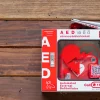
Automated External Defibrillators, AEDs, rely on batteries and electrode pads to work when they are needed most. Those components need regular replacement, and they must be discarded carefully. Getting disposal right keeps devices ready, protects people, and helps the environment.
AED batteries often contain lithium, a substance that can ignite or leak harmful chemicals if thrown away incorrectly. Used pads may carry bodily fluids and other contaminants. Knowing where and how to dispose of these items keeps you compliant with manufacturer instructions and local laws, and reduces safety and environmental risks.
The Importance of Safe Disposal
Safe disposal prevents accidental injury and contamination. Damaged or improperly discarded batteries can cause fires. Contaminated pads can spread infection. Handling these items with care reduces those hazards, and helps keep workplaces and public places safe.
Environmental and Safety Considerations
Incorrect disposal harms ecosystems and creates safety risks. Lithium batteries that leak can pollute soil and waterways. Biohazard materials in used pads need special handling to avoid health problems. Responsible disposal limits environmental damage and protects communities.
Following Manufacturer and Local Guidelines
Manufacturers provide clear instructions for disposing of AED batteries and pads. Local rules may add extra requirements depending on waste classification. Following these directions avoids penalties and makes sure batteries and pads are either recycled correctly or disposed of safely.
Understanding AED Batteries
Types and Composition of AED Batteries
Most AED batteries are lithium based, chosen for long shelf life and steady power over several years. A few AED models use other chemistries, such as alkaline or nickel metal hydride, but lithium is the most common because of its energy density and reliability.
Risks of Incorrect Disposal
Throwing AED batteries into general rubbish is risky. Lithium batteries can catch fire if crushed, punctured, or exposed to heat. They may also leak chemicals that contaminate soil and water. Many places treat these batteries as hazardous waste, so improper disposal can also mean breaking local laws.
Safe Disposal Methods for AED Batteries
Start by checking the manufacturer’s disposal guidance. Many suppliers run take back or recycling programs for used batteries. Local hazardous waste facilities and authorised battery recycling centres will accept lithium batteries and process them safely.
Using approved recycling routes reduces fire risk and prevents toxic chemical release, while recovering useful materials. Never place AED batteries in household rubbish or unsupervised drop points.
Proper Disposal of AED Pads
What Are AED Pads Made Of?
AED pads are adhesive patches with a conductive gel, which helps deliver an electrical shock through the skin. They are single use, and after deployment they are likely to be contaminated.
Disposing of Used Pads: Biohazard Waste
Pads used during a resuscitation are treated as biohazard waste. They should be sealed in designated biohazard bags and handed to authorised medical waste services or included with medical sharps disposal programs where required.
Handling Expired or Unused Pads
Unopened, expired pads do not usually present a biohazard risk, and can often be disposed of with regular waste unless local regulations say otherwise. Some suppliers will accept expired pads for safe disposal or recycling. Check the manufacturer or supplier guidance to be sure.
Australian Regulations and Local Recycling Options
Battery Disposal Regulations in Australia
Australia has strict rules on battery disposal, especially for lithium batteries used in AEDs. These rules aim to prevent fires and reduce chemical pollution. AED batteries must be disposed of through authorised hazardous waste routes or battery recycling programs to meet legal requirements.
Local Council Programs and Recycling Points
Many councils provide battery recycling drop off locations. Community hazardous waste events also accept lithium batteries, including those from AEDs. Check your local council website or call them to find the nearest collection point.
How Priority First Aid Supports Compliant Disposal
Priority First Aid, based in Brisbane, offers specialist advice on compliant disposal of AED batteries and pads. The company supplies genuine replacement parts and can guide customers through disposal options, helping organisations meet safety and regulatory obligations.
Replacing AED Batteries and Pads
Recommended Replacement Schedules
Batteries and pads typically need replacement every two to five years, depending on the device and manufacturer recommendations. After any AED use, even if no shock was delivered, replace both batteries and pads to keep the device fully reliable.
Quality and Genuine Replacement Supplies from Priority First Aid
Using genuine replacement parts helps ensure the AED performs as intended and stays compliant with safety requirements. Priority First Aid stocks quality batteries and pads compatible with major AED brands, and provides help choosing and fitting the right items.
Importance of Timely Replacement for AED Reliability
Replacing batteries and pads on schedule reduces the chance of device failure during an emergency. It also supports workplace safety policies and compliance, giving confidence that the AED will function when needed.
Frequently Asked Questions (FAQs)
How Do I Safely Dispose of an AED Battery?
Return expired or spent AED batteries to the manufacturer or supplier when possible. If that is not an option, take them to approved hazardous waste collection points or battery recycling centres that accept lithium batteries.
Can I Recycle AED Pads?
Unused, expired pads can often be disposed of with regular waste unless the manufacturer or local rules say otherwise. Pads used during an emergency must be treated as biohazard waste and disposed of through authorised medical waste channels.
How Often Should AED Batteries and Pads Be Replaced?
Generally, replace batteries and pads every two to five years or after any use. Follow your AED manufacturer’s specific instructions to maintain readiness.
Are AED Batteries Considered Hazardous Waste?
Yes. Most AED batteries contain lithium and are classed as hazardous waste. They should be handled through authorised recycling or hazardous waste programs to prevent safety and environmental hazards.
Does Priority First Aid Offer Recycling or Replacement Services?
Priority First Aid offers advice on safe disposal and supplies genuine replacement batteries and pads to help maintain AED compliance and reliability.
Conclusion and Next Steps
Proper care and disposal of AED batteries and pads keeps defibrillators safe, operational, and environmentally responsible. Knowing how to handle both batteries and pads reduces risks and helps you meet manufacturer and local requirements.
For help with disposal or to source genuine replacement parts, contact Priority First Aid. Their experience supports practical emergency preparedness and responsible waste handling.
